

custom laminated glass
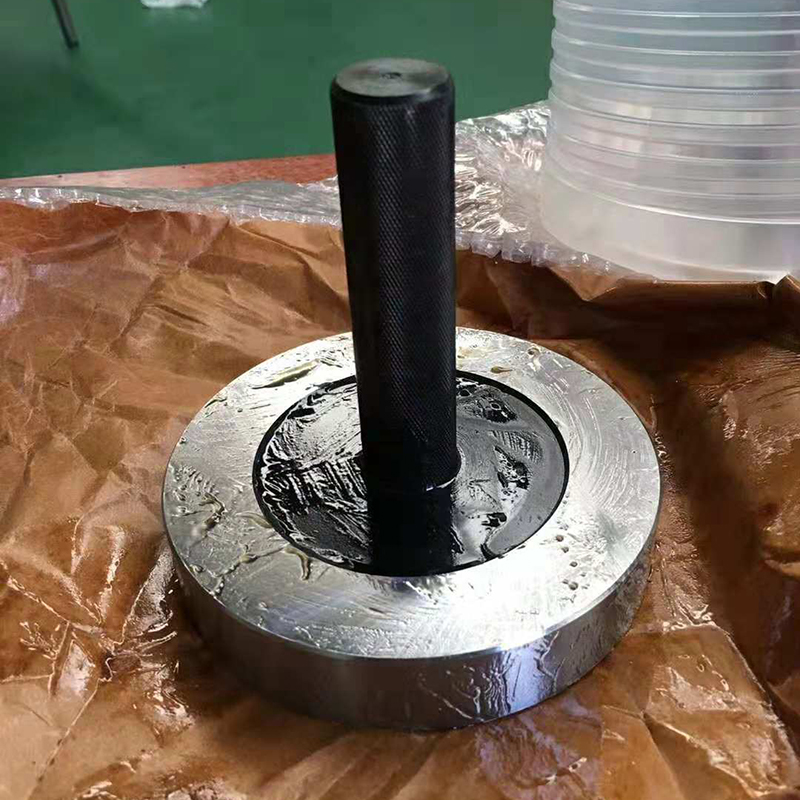
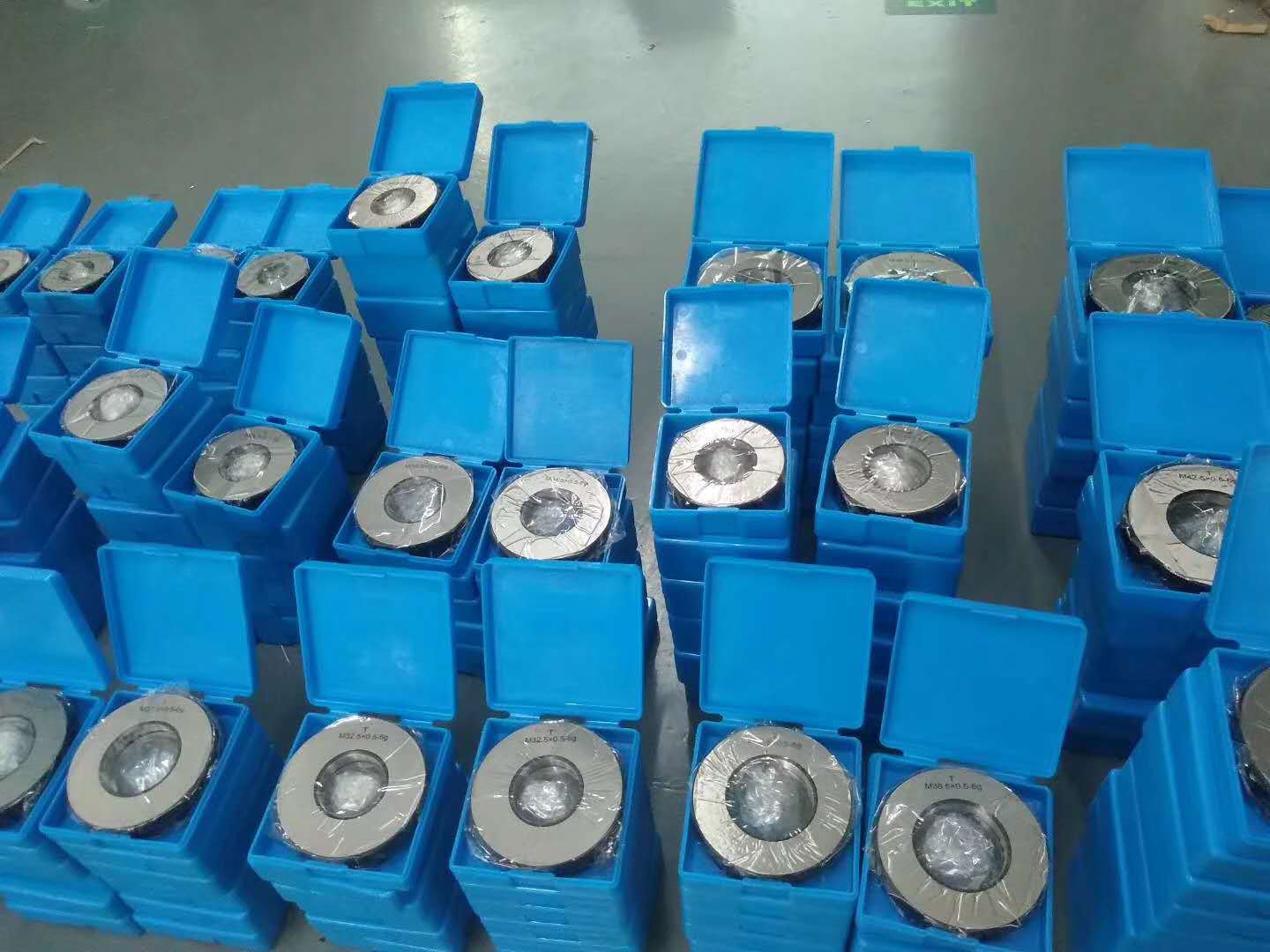
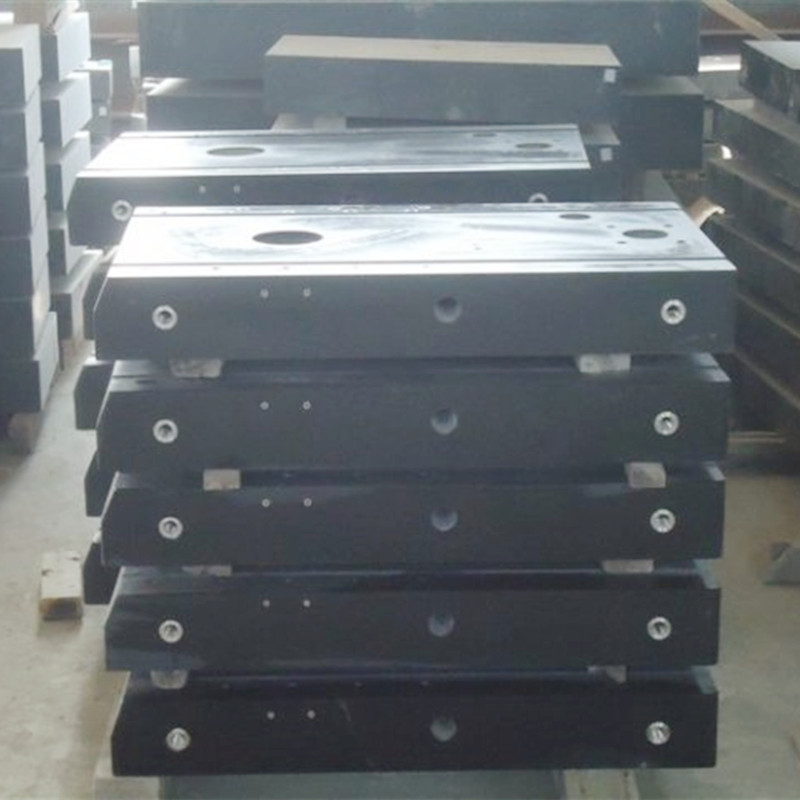
Understanding Precision Gauges The Key to Accurate Measurements Precision gauges are indispensable tools in various industries, including manufacturing, engineering, and quality control. These instruments are designed to provide highly accurate measurements of dimensions, tolerances, and alignments, ensuring that products meet stringent quality standards and specifications. At the heart of precision gauging is the need for accuracy and consistency. Traditional measuring instruments, such as rulers and calipers, can only provide a limited level of precision. In contrast, precision gauges utilize advanced technologies that allow for measurements to be taken with minute accuracy, often down to microns or thousandths of millimeters. This level of precision is crucial for industries such as aerospace, automotive, and electronics, where even the slightest deviation can lead to malfunctioning parts or compromised safety. There are various types of precision gauges, each tailored to specific measuring tasks . For instance, depth gauges are used to measure the depth of holes or slots, while thickness gauges assess the thickness of materials. Other common types include dial indicators, which provide readings of small linear distances; snap gauges, which check the external dimensions of components; and sine bars, which are utilized for measuring angles. These instruments often incorporate high-quality materials and sophisticated designs, ensuring durability and reliability in demanding environments. precision gauge One of the significant advantages of using precision gauges is their ability to enhance productivity and efficiency. In manufacturing settings, where time is often equated with money, having precise measurements helps prevent waste and rework. When each component can be measured accurately, it minimizes the chance of errors that could lead to costly production delays or recalls. Furthermore, precision gauges facilitate consistent quality assurance processes, as they enable operators to quickly verify that products meet the required specifications. The calibration of precision gauges is another vital aspect that ensures ongoing accuracy. Regular calibration against known standards is crucial to maintain the reliability of these measuring instruments. Calibration practices may involve comparing the gauge's measurements with those of a certified standard or utilizing specialized calibration equipment. By adhering to strict calibration schedules, manufacturers can ensure that their measurements remain consistent over time, bolstering confidence in their quality control processes. In conclusion, precision gauges are essential tools that play a critical role in modern manufacturing and quality assurance. Their ability to deliver accurate and consistent measurements directly impacts product quality, operational efficiency, and safety. As industries increasingly rely on precision engineering to meet their regulatory and performance standards, the value of precision gauges will continue to grow. Investing in high-quality gauging instruments and practices not only enhances measurement accuracy but also ensures that businesses stay competitive in an ever-evolving marketplace. As technology advances, it is likely that precision gauges will become even more sophisticated, offering improved features and functionalities that further streamline measurement processes.
about
custom laminated glass
When it comes to industrial applications, gate valves are essential components designed to control the flow of fluids. Among the various types of gate valves, the soft seal gate valve and the hard seal gate valve are two distinct variations that serve specific purposes. Understanding their differences and applications can help engineers and decision-makers choose the right valve for their needs. Understanding Soft Seal Gate Valves A soft seal gate valve utilizes a flexible material, usually elastomeric, for its sealing surface. This design allows the valve to create a seal that effectively prevents leakage when closed. Soft seal gate valves are known for their ease of operation and maintenance, making them an attractive option in applications that require frequent valve actuation. The advantages of soft seal gate valves include: - Excellent Sealing Performance: The flexibility of the sealing material allows for tight sealing against fluid flow, reducing the risk of leakage. - Low Torque Operation: Soft seal designs often require less torque to open and close, facilitating smoother valve operation. - Cost-Effective: Generally, soft seal gate valves are more cost-effective to manufacture and purchase, making them a budget-friendly option for many projects. - Versatility: Suitable for various applications, including water, oil, and gas, where occasional throttling is acceptable. Exploring Hard Seal Gate Valves On the other hand, the hard seal gate valve features a rigid sealing surface typically made of metal or ceramic materials. This design provides enhanced durability and makes hard seal gate valves ideal for high-pressure and high-temperature applications. Key characteristics of hard seal gate valves include: - High Pressure and Temperature Resistance: The robust materials used can withstand severe conditions, making them suitable for challenging environments. - Longevity: Hard seal gate valves are built to last, reducing the frequency of replacements and contributing to lower maintenance costs in the long term. - Reduced Wear and Tear: The durable construction means they are less prone to damage from abrasive materials or extreme working conditions. - Suitable for Low Flow Applications: Hard seal gate valves excel in applications where fluid flow is minimal, requiring a reliable, leak-proof experience when fully closed. Choosing the Right Valve for Your Application When deciding between a soft seal gate valve and a hard seal gate valve, consider the specific requirements of your application: 1. Operating Conditions: If your application involves high-pressure or high-temperature fluids, the hard seal gate valve is likely the better option. Conversely, for standard conditions with infrequent use, a soft seal gate valve may suffice. 2. Frequency of Use: If the valve is intended for regular adjustments or maintenance, a soft seal design may offer improved ease of use. 3. Budget Considerations: Evaluate your project budget. Soft-seal gate valves are generally more affordable upfront, while hard-seal gate valves may yield savings over time due to their durability. 4. Fluid Type: Certain fluids may necessitate specific types of sealing materials. Ensure that the chosen valve material is compatible with the fluid to avoid degradation. In summary, both soft seal gate valves and hard seal gate valves possess unique features and advantages that cater to different industrial needs. Understanding their differences in terms of sealing mechanisms, operational characteristics, and applications is crucial for making an informed decision. By selecting the appropriate gate valve, you can enhance system functionality, ensure reliable fluid control, and optimize overall performance in your engineering applications.
-

High quality industrial productsagement

High quality industrial products
View Details -

Meet the diverse needs of customers

Meet the diverse needs of customers
View Details -

Strict quality control

Strict quality control
View Details -

Top raw materials

Top raw materials
View Details -

Trusted supplier

Trusted supplier
View Details
Our application
news and information

Various Types of Water Valves and Their Applications in Plumbing and Industrial Systems
Types of Water Valves An Overview Water valves are crucial components in plumbing and irrigation sys

valve
Exploring the Fascinating World of Valves Valves are integral components used in a multitude of syst
Using a Spirit Level for Accurate Measurement and Alignment in Various Projects
The Importance of the Spirit Level A Fundamental Measuring Tool In the world of construction and car
 English